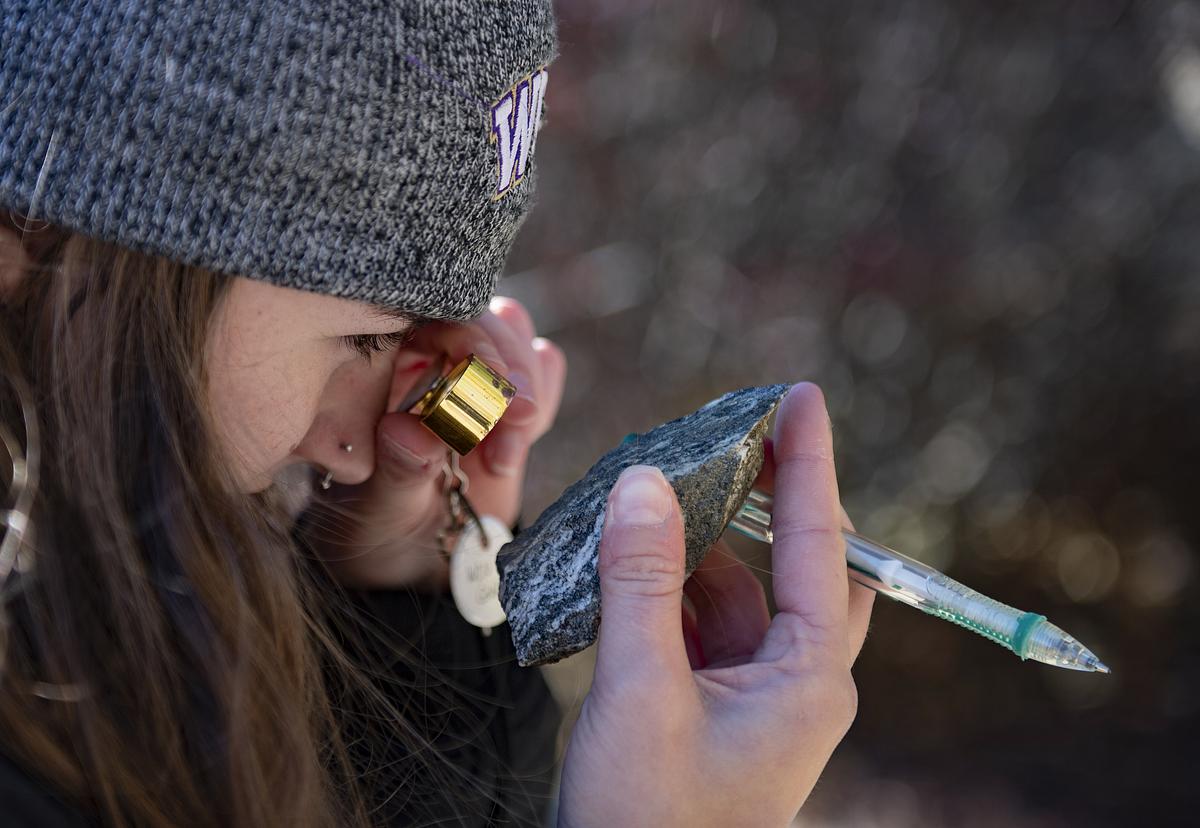
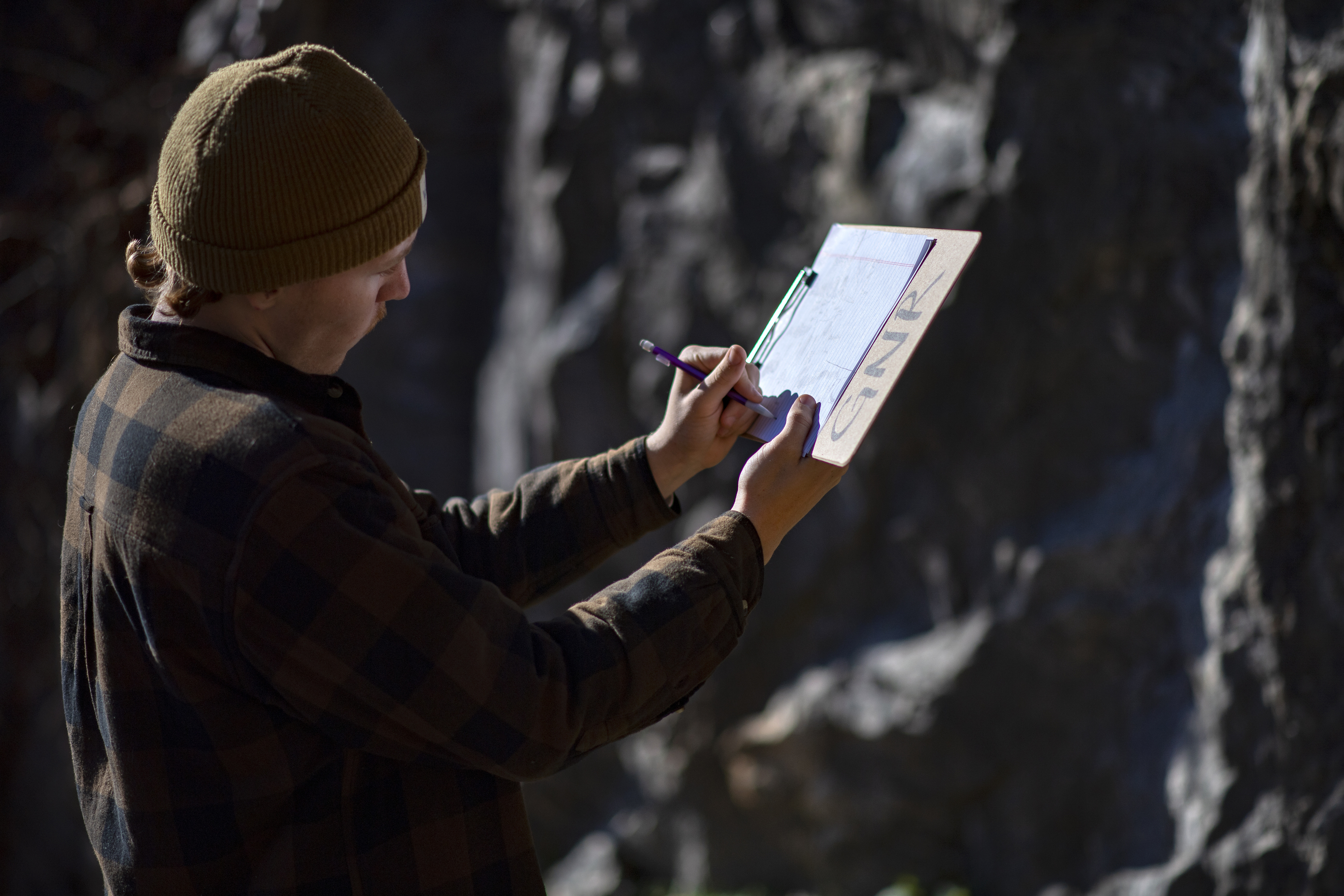
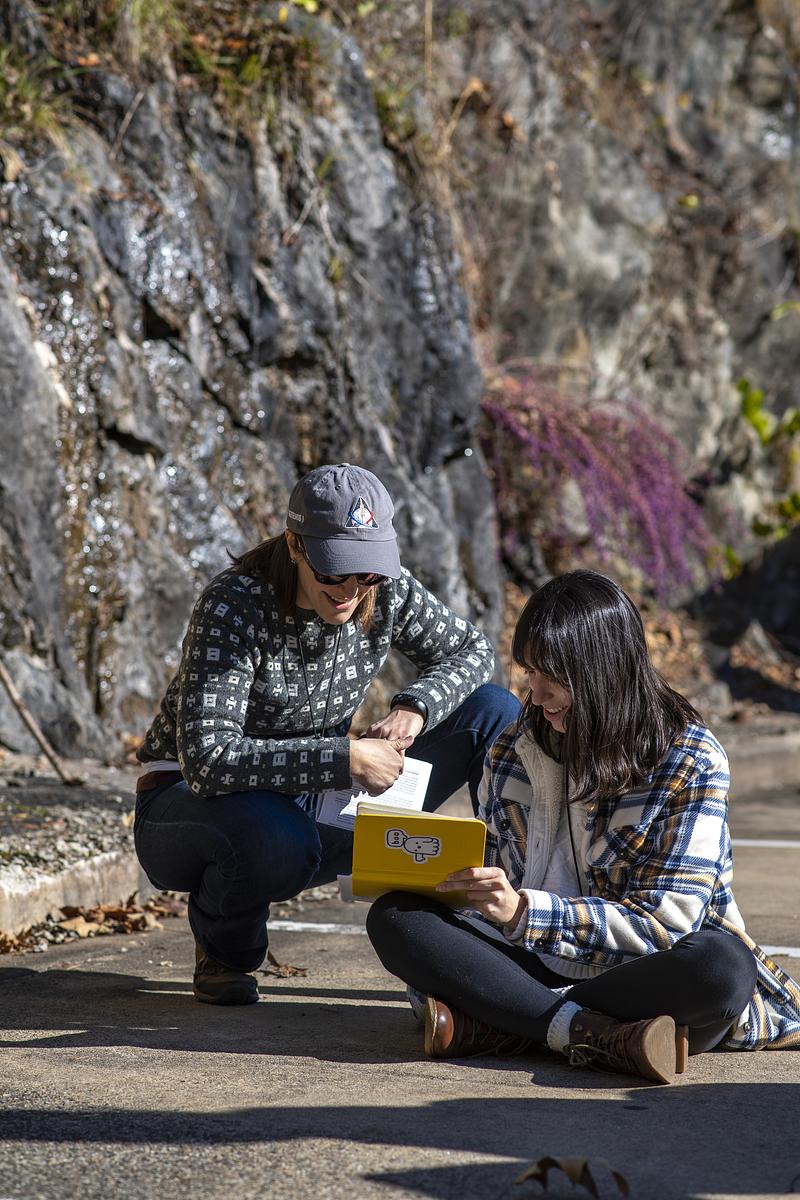
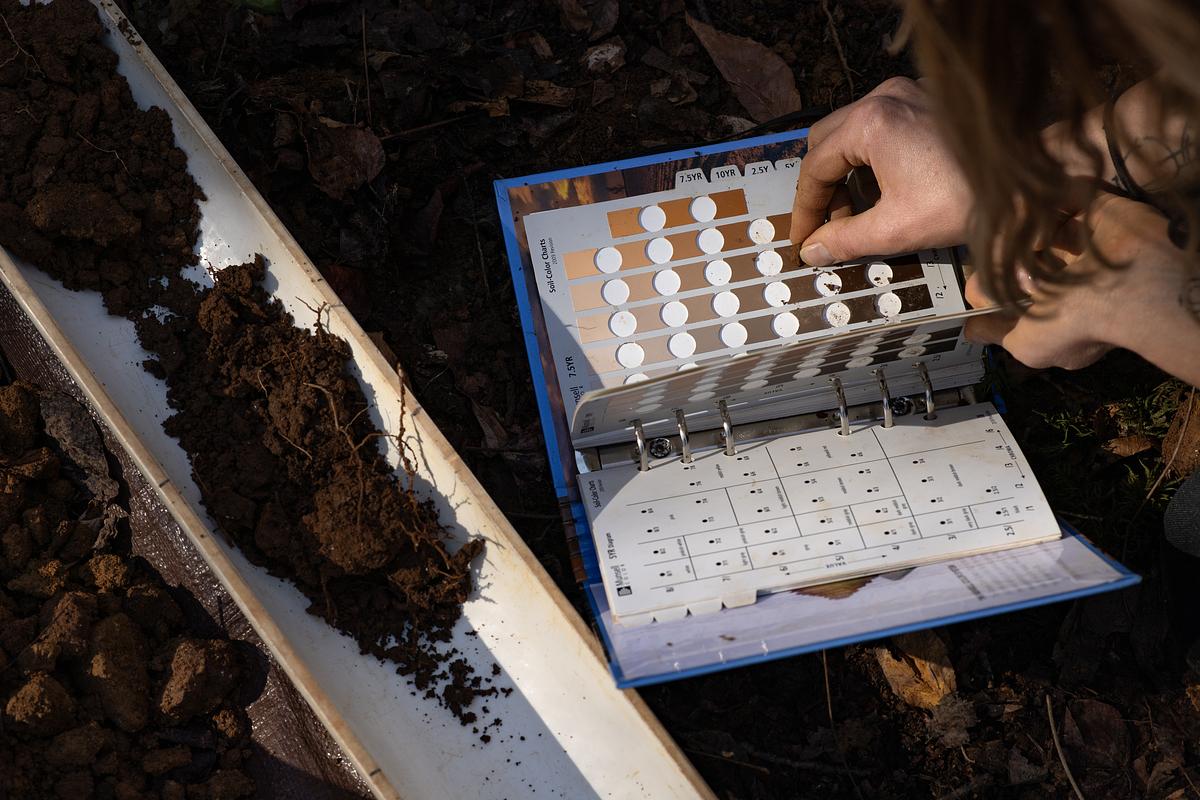
Ìð¹ÏÊÓƵapp Geology students enjoy field experiences that few U.S.
Universities can provide. Here at the heart of the Southern Appalachian Mountains
they learn about subjects such as flooding, landslides, and plate tectonics.
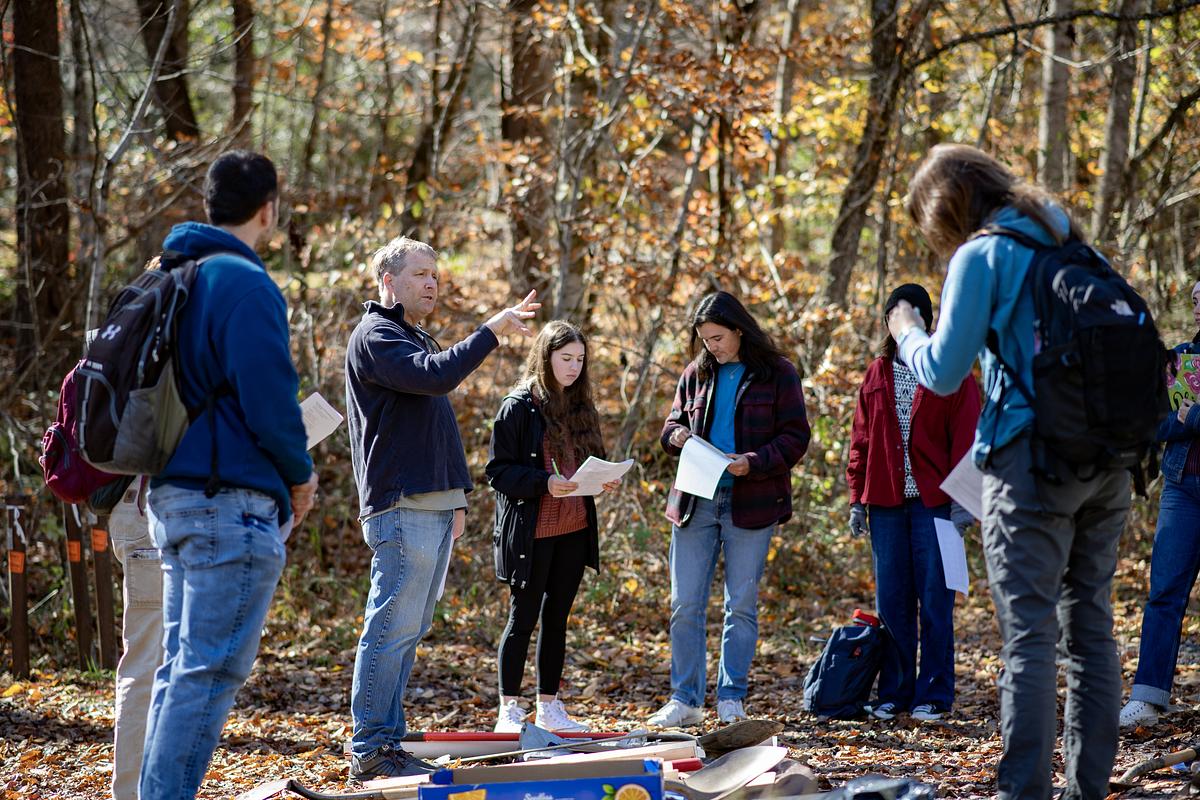
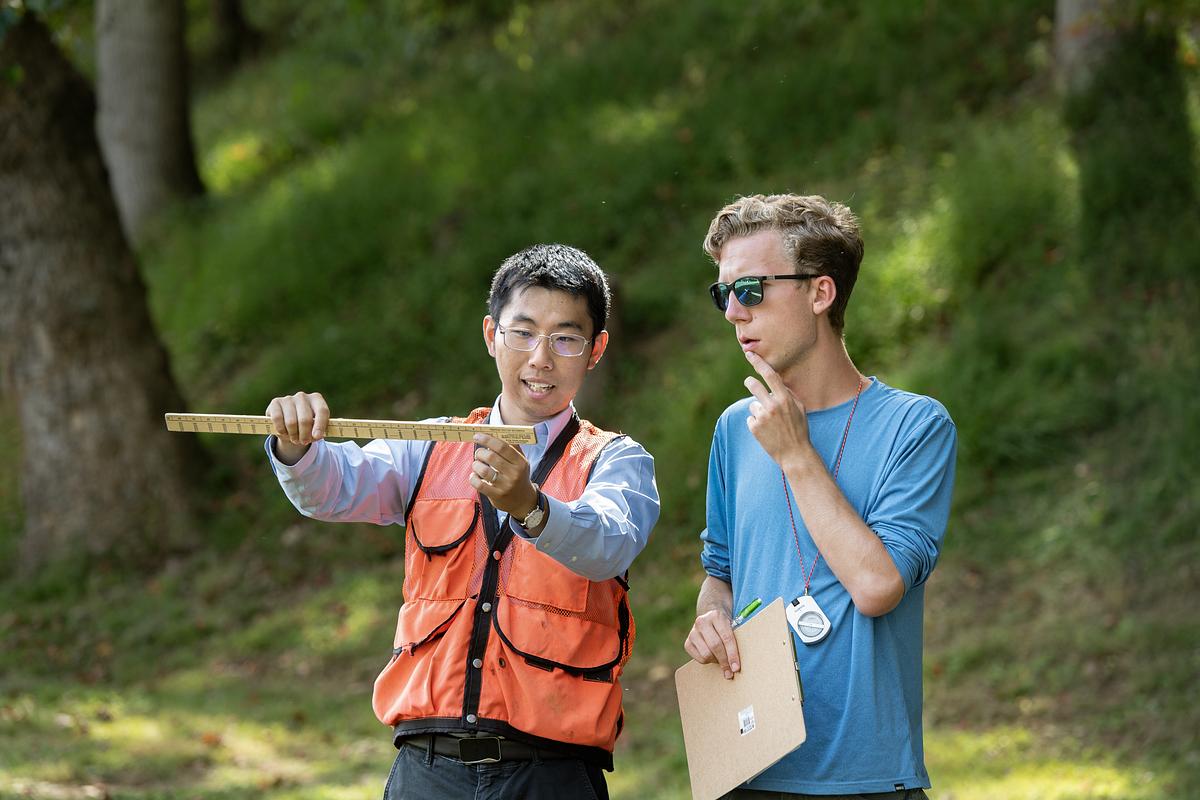
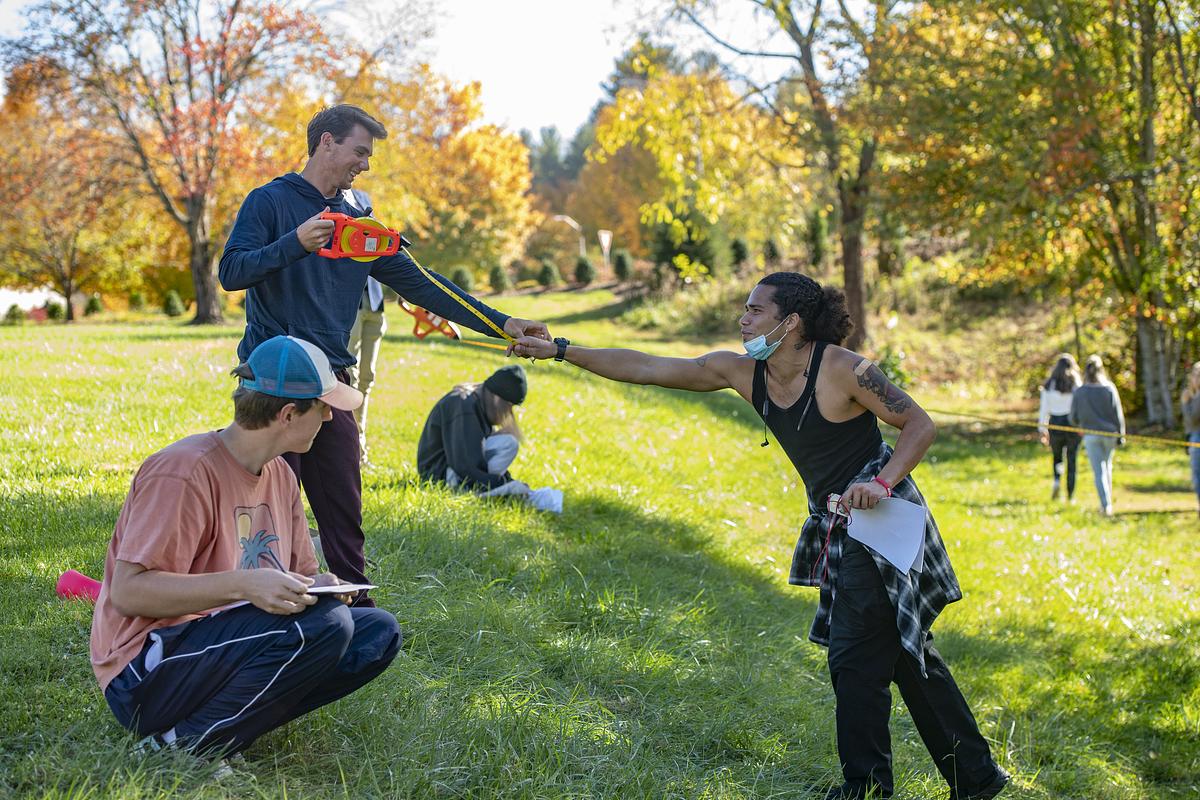
The interdisciplinary curriculum is taught by an expert faculty and involves hands-on
projects that take place in the classroom, the lab and in the field. Some students
choose to conduct their field research at destinations as geologically diverse as
Nevada and Florida. Due to their rich and dynamic academic experience, graduates find
career success as earth science educators, environmental geologists and consultants,
among other occupations.
What You'll Learn
At WCU, Geology is an interdisciplinary field-based science. The Bachelor of Science
in Geology core courses and concentrations give students a solid foundation in the
geosciences. Core courses include Methods in Geology, Soils and Hydrology, and Structural
Geology. The degree offers three career-focused concentrations: environmental hydrology,
solid earth and interdisciplinary. The interdisciplinary concentration is ideal for
students who wish to double major and enjoy flexibility in their course load. All
students complete a capstone course such as a research project, senior thesis or senior
research seminar. Many students choose to get involved with the WCU Geology Club,
a student-run organization that puts on geology and outdoor-related events such as
river cleanups and research and recreational trips.
Where You'll Go
WCU Geology graduates either go directly into the workforce or continue their education
in graduate school. Their interdisciplinary perspective prepares them for a variety
of career occupations, including educator, geologist, researcher and planner. Places
of employment can include state agencies and federal government, schools and universities,
the mining and petroleum industries, environmental consulting firms, and environmental
policy groups. Graduates who continue their education often study fields as diverse
as planetary geology and marine sciences. The job outlook for geologists is positive
and reflects increasing career opportunities in environmental geology and hydrogeology.
Degree Options
School
College of Arts & Sciences, Department of Geosciences & Natural Resources
Location
Cullowhee Campus
Length
Full-Time
Time to Complete:
4 Year Average
Credits:
120 Credit Hours
App Deadline:
Admission through general WCU undergraduate enrollment — students may declare Geology
as their major and should meet with a Geology adviser.
School
College of Arts & Sciences, Department of Geosciences & Natural Resources
Location
Cullowhee Campus
Length
Full-Time
Time to Complete:
Varies based on major and course sequencing
Credits:
21 Credit Hours
App Deadline:
No separate application; declare the minor through academic advising
More Ìð¹ÏÊÓƵapp Our Bachelor of Science in Geology Program
The B.S. in Geology at Ìð¹ÏÊÓƵapp offers students a comprehensive
education in Earth sciences, combining rigorous classroom instruction with meaningful
field and laboratory experience. The program emphasizes understanding Earth’s structure,
processes, and history — from plate tectonics, mineralogy, and sedimentology to environmental
geology, hydrology, and natural resource management.
Students learn through hands-on lab work, geological mapping, field studies, and research
projects that connect theory to real-world challenges. The curriculum equips graduates
with scientific reasoning, analytical skills, and practical tools needed for careers
in environmental consulting, resource management, geoscience research, hazard assessment,
and land-use planning — or for further study in graduate school.
The Geology B.S. at WCU immerses students in Earth science fundamentals while exposing
them to applied, field-based learning — helping them grasp how geology interacts with
environment, society, and resource management.
Students engage in a blend of classroom learning and field-based experiences — from
geological theory and Earth processes to practical skills like mapping, sampling,
environmental assessment, and resource analysis.
Graduates of the Geology program are equipped with a strong scientific foundation
and practical skills — making them competitive for positions in environmental consulting
firms, conservation agencies, resource management companies, and governmental bodies.
Related Programs
Explore our related programs until you find the one that’s right for you.