Natural Resource Conservation and Management
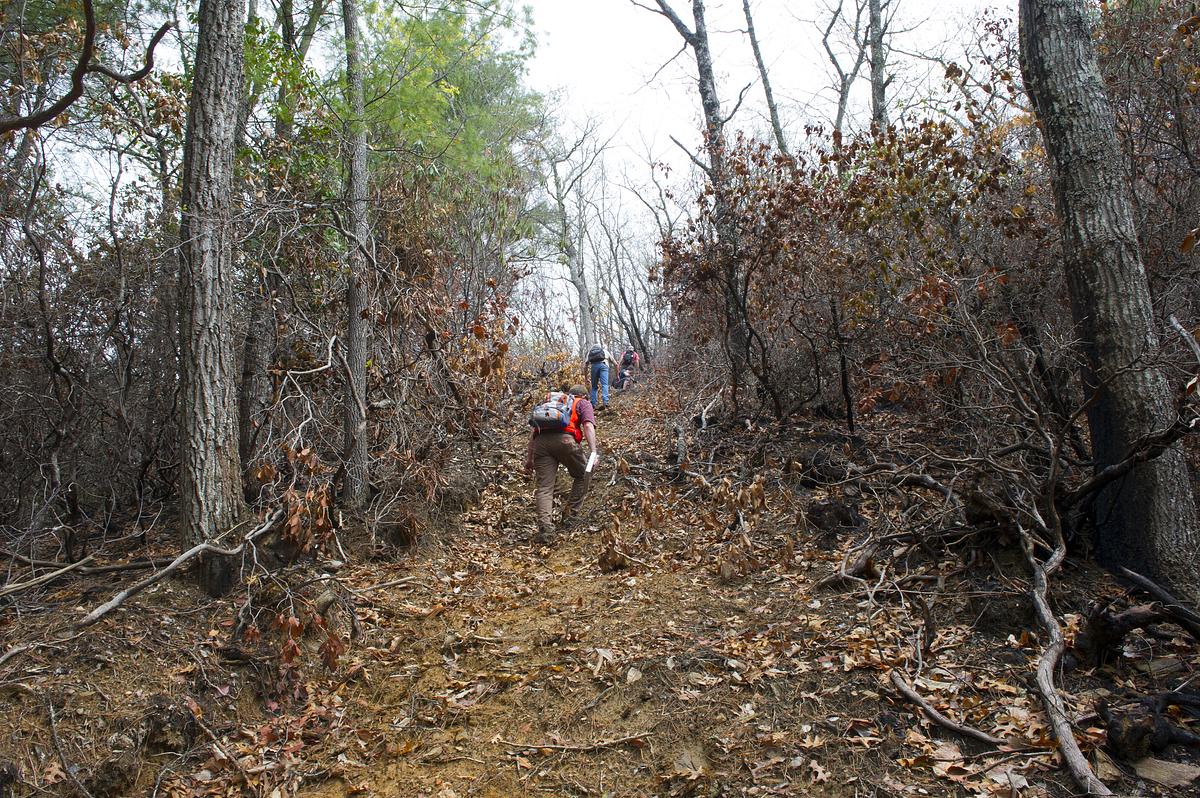
The Natural Resource Conservation and Management Program prepares students to protect and advocate for the wise use of natural resources. In jobs ranging from wetland ecologist to conservation coordinator, graduates may collect information about forest, soil and water conditions, prepare reports and apply techniques for protecting and restoring specific conditions. Few places can match Western Carolina's location for studying our natural resources. Located in the heart of the southern Appalachians and surrounded by 6,000-foot peaks, national forests, national parks, the program’s hands-on activities take place in areas with some of the highest biological diversity in the world.
Discover more about the Colllege of Arts and Sciences and explore all available programs.
What You'll Learn
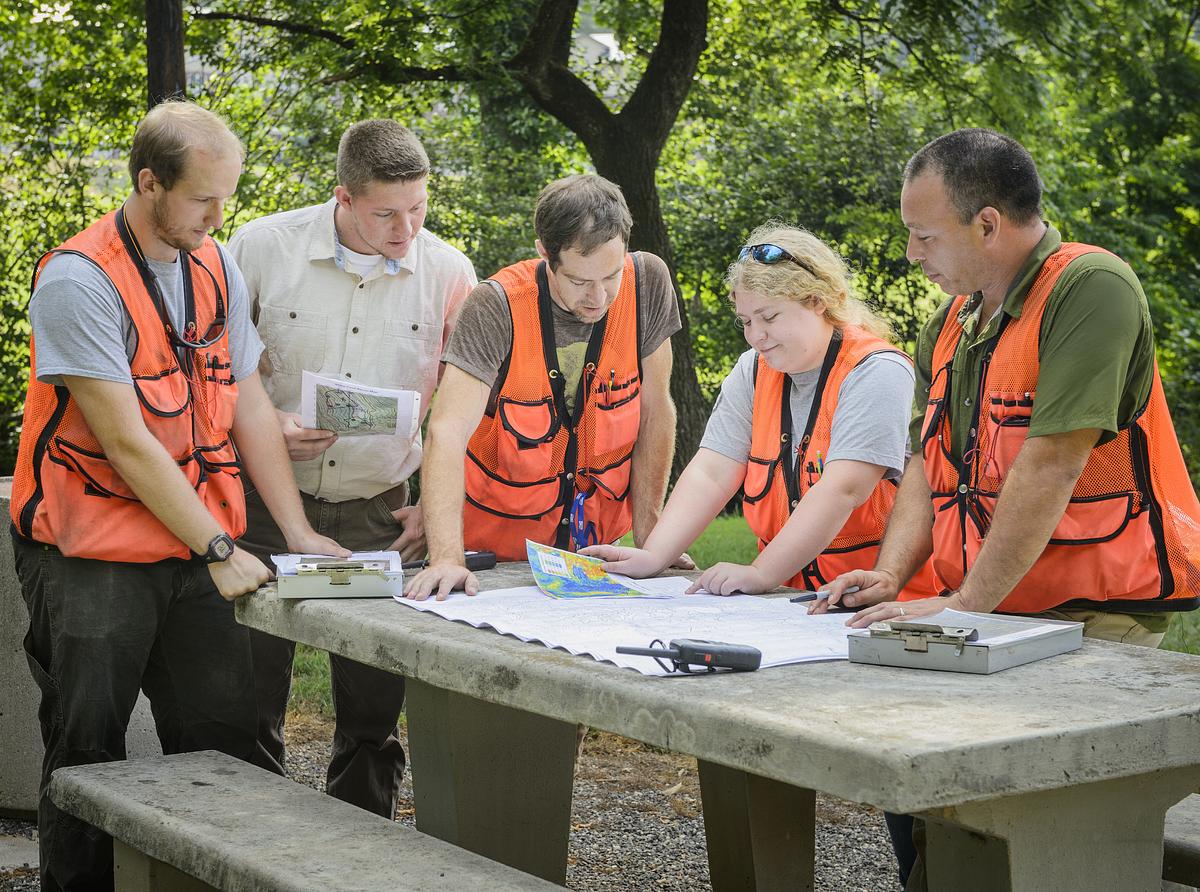
Core courses range from water and landscape ecology to methods for studying, conserving and managing natural resources. Students then concentrate their studies in forest resources or soil and water conservation. Courses incorporate hands-on and field experiences. Students practice sampling techniques at the nearby Cullowhee Creek Field Station and Western Carolina Hydrological Research Station, and take part in fieldwork made possible through WCU’s partnerships with the National Park Service, United States Forest Service and Balsam Mountain Preserve. In addition, paid internships assisting with tasks such as water quality monitoring or mapping are available through the nonprofit Forest Stewards program. Students also can get involved with the Institute of Watershed Research and Management, or Program for the Study of Developed Shorelines, which are based at WCU.
Where You'll Go
Graduates gain employment in positions such as forester, ecologist and consultant with state and federal forest and wildlife management agencies, extension services and schools, landscaping firms and nurseries, environmental protection agencies, museums and universities, nonprofit conservation organizations, soil and water conservation districts, environmental consulting firms and many others.
More Ìð¹ÏÊÓƵapp Our Bachelor of Science in Natural Resource Conservation and Management Program
The B.S. in Natural Resource Conservation and Management at WCU prepares students to understand, protect, and sustainably manage our forest, soil, water, and wildlife resources. The program emphasizes hands-on, field-based learning in the biodiverse Southern Appalachian region, giving students real experience in ecological assessment, conservation techniques, and natural resource management.
Coursework covers forestry, fisheries and wildlife management, soils and hydrology, GIS, ecology, and watershed science. Students gain applied experience through internships, research projects, and stewardship activities, preparing graduates for careers with state and federal agencies, conservation organizations, consulting firms, or for graduate study in natural resource fields.



Get In Touch

Aimee Rockhill

Solomon Beyene
Lauren Bowman Clontz

Keith Gibbs
Max Lanning

Diane Styers

