
Electrical and Computer Engineering Technology
Students prepare for careers working with modern electrical, electronic, and computer-based systems in 甜瓜视频app's hands-on, application-focused Bachelor of Science in Electrical and Computer Engineering Technology (ECET) program. The degree emphasizes practical implementation and applied problem solving rather than purely theoretical analysis, making it well suited for students interested in designing, building, testing, and supporting real-world technologies. Through a project-based learning curriculum and a required two-semester senior capstone experience, students engage in meaningful, industry-relevant work. The ECET program is accredited by the Engineering Technology Accreditation Commission of ABET, ensuring it meets nationally recognized standards for quality, rigor, and relevance in engineering technology education.
What You'll Learn
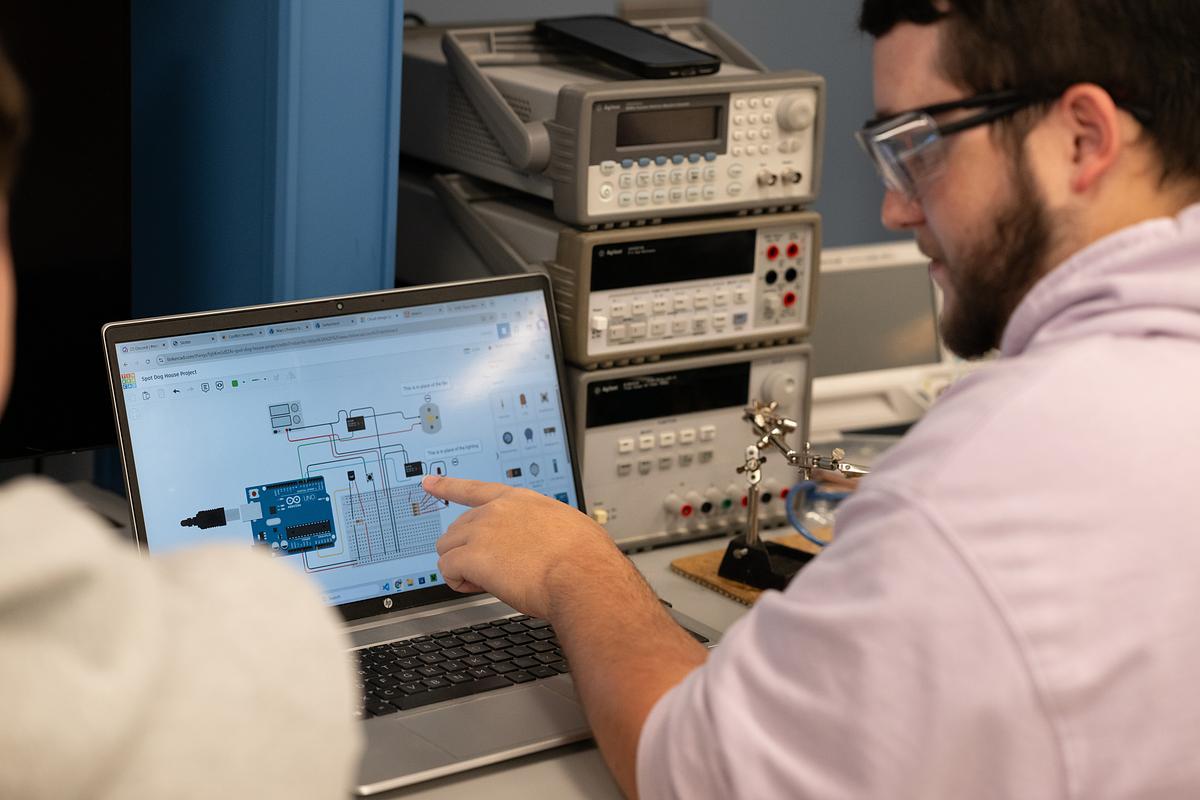
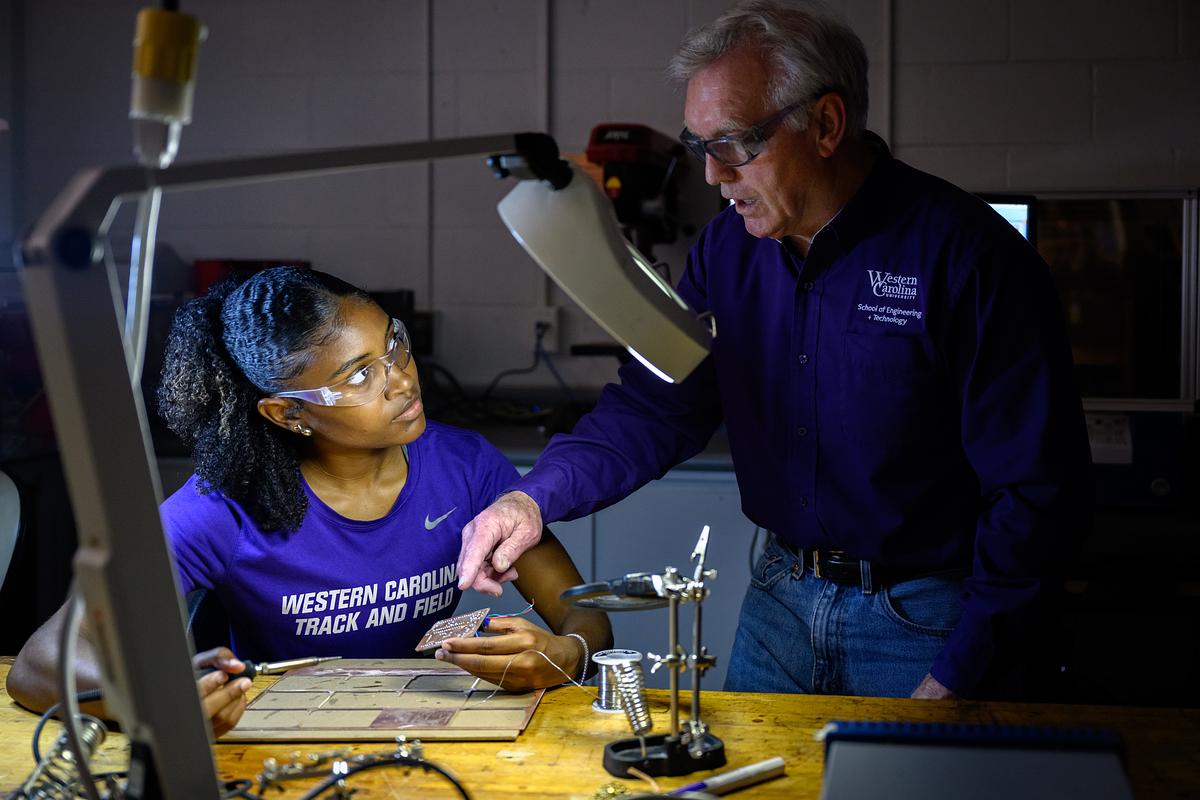
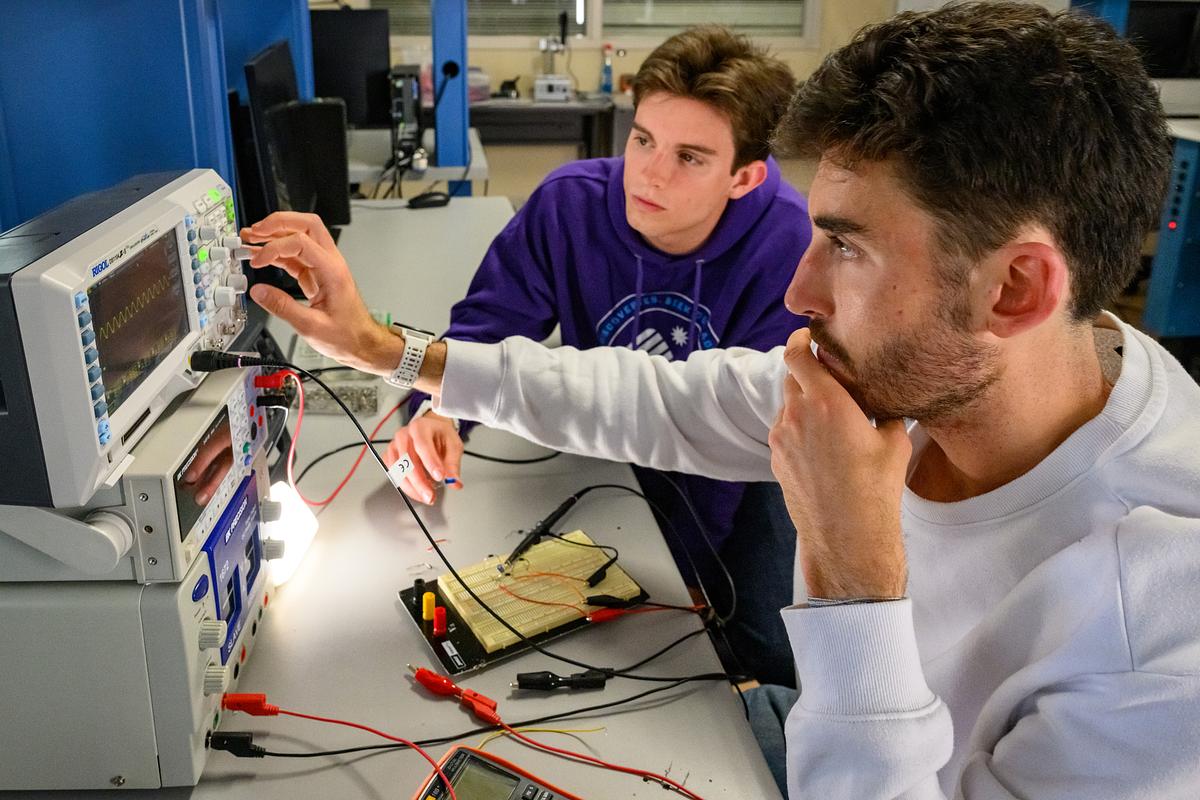
Students in the Electrical and Computer Engineering Technology program gain a strong foundation in applied mathematics, science, and engineering technology while developing technical expertise in areas such as circuit analysis, analog and digital electronics, microcontrollers, data communication, control systems, automation, instrumentation, and electric power. The curriculum emphasizes extensive laboratory experiences, including building and analyzing analog and digital electronic circuits; design and fabrication of printed circuit boards; and use of microcontrollers in practical applications. Advanced laboratory experiences emphasize system-level integration in automation, control systems, embedded systems, and energy conversion. Students routinely use industry-standard test and measurement equipment to evaluate circuit behavior and verify system performance. Students translate their learning into practice in a two鈥憇emester senior capstone project, developing real engineering solutions for challenges proposed by our industry partners. Throughout the curriculum, students build professional competencies in teamwork, technical documentation, and oral and written communication, preparing them for effective practice in multidisciplinary engineering environments.
Where You'll Go
Program graduates are prepared for a wide range of technical and engineering roles across industries such as advanced manufacturing, aerospace and defense, energy, and automotive. Common career paths include positions such as electronics engineer, firmware or software engineer, controls engineer, test engineer, product engineer, applications engineer, and customer or field engineer. In addition to entering the workforce, ECET graduates are also positioned to pursue graduate education in engineering, engineering technology, or related technical fields, depending on program requirements. The combination of applied technical skills, design experience, and industry-focused preparation supports both immediate employment and continued professional and academic advancement.



More 甜瓜视频app Our B.S. in Electrical and Computer Engineering Technology

The B.S. in Electrical and Computer Engineering Technology at WCU is designed for students who love computers and their applications. Check out the program's 8-semester plan and learn about career options.
Get involved and make the most of your experience through hands-on projects, faculty mentorship, and industry partnerships.
What鈥檚 Happening


Get In Touch

WCU Engineering
